Moving large files quickly is now expected in film and post-production. It’s no longer the advantage. It’s the baseline.
What’s changing is how those files are used. VFX teams aren’t just sending work between locations anymore. They’re working on it at the same time, from different parts of the world, often in real time.
That shift puts pressure on the network in a completely different way.
VFX Is Moving Closer to Real Time
VFX used to follow a clear pattern. Teams would create assets, render them, send them for review, then repeat the process. Each step took time, and delays were part of the workflow.
That model is starting to break down.
Today, teams want faster feedback. Directors want to review scenes earlier. Artists need to make changes while the creative direction is still fresh. In some cases, teams are reviewing and adjusting work almost instantly.
For that to work, the network has to keep up. It needs to handle constant data movement, not just large uploads at set times. It also needs to stay stable, because even small disruptions can slow everything down.
Virtual Production Changes When VFX Happens
Virtual production has shifted VFX from post-production into the filming process itself.
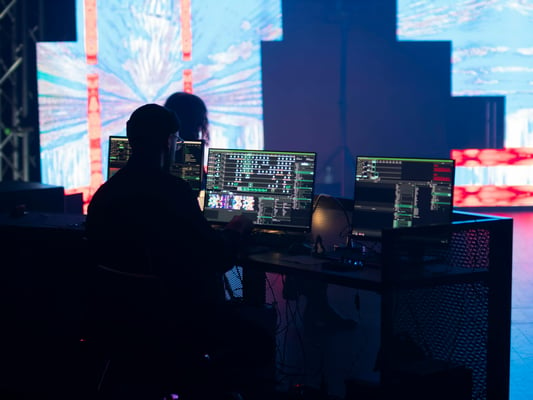
Instead of adding effects after shooting, teams now build digital environments that are used live on set. LED volumes and real-time engines make this possible. Directors can see near-final scenes while filming, which speeds up decision-making and reduces rework later.
This creates a new challenge. Data needs to move between the set, remote teams and rendering systems without delay. If those connections aren’t reliable, the whole process slows down.
Global Teams Need Consistent Performance
VFX has always been a global industry. What’s changed is how tightly connected those teams now need to be.
Studios no longer want to limit work to one location. They want to bring in the best talent, no matter where they are. That only works if performance stays consistent across regions.
If one team experiences delays or slower transfers, it affects everyone else. Work stalls, feedback loops break, and deadlines start to slip.
Strong connectivity removes that risk. It keeps teams aligned, even when they’re working across different time zones.
Rendering Is No Longer in One Place
Rendering used to happen in a single location, often on dedicated on-site infrastructure. That’s no longer the case.
Studios now split workloads across different environments, including on-premise systems, cloud platforms and sometimes edge infrastructure closer to production sites.
This gives teams more flexibility, but it also adds complexity. Data moves between systems more often, and each transfer needs to be fast and secure.
Without the right network in place, that flexibility can quickly turn into a bottleneck.
Latency Now Affects Creative Decisions
Latency used to be something only technical teams worried about. That’s changed.
When people are working together in real time, delays become visible. A slow response during a review session can interrupt the flow of conversation. It makes collaboration harder and slows down decision-making.
Even small delays add up over time. They stretch out production timelines and make it harder for teams to stay in sync.
This is why low latency matters. It supports the pace that modern VFX workflows demand.
Where BSO Fits In
As workflows change, the network needs to do more than just move data from one place to another.
BSO focuses on performance, consistency and control. Its global network infrastructure avoids the unpredictability of public internet routes, which helps maintain stable speeds and lower latency across global locations.
That matters for VFX teams working in real time or across multiple regions. It means fewer delays, more predictable performance and better collaboration.
BSO also supports secure data transfer, which is critical when dealing with unreleased content.
What This Means Going Forward
Film production is becoming more connected, more distributed and more immediate.
VFX is no longer a step that happens after filming. It’s part of the process from the start. Teams are working together in ways that weren’t possible before, and expectations around speed and quality continue to rise.
The network sits underneath all of this. When it works well, teams can focus on the creative. When it doesn’t, it becomes the bottleneck.
Final Thoughts
The role of connectivity in film and VFX has changed. It’s no longer just support infrastructure in the background. It shapes how teams work, how fast they move and what they’re able to create.
Studios that take this seriously will be better positioned to handle more complex projects and tighter timelines.
See What High-Performance Connectivity Looks Like in Practice
If your VFX or post-production workflows are starting to feel the strain of larger files, tighter deadlines or distributed teams, it might be time to rethink your network.
PR Archives: Latest, By Company, By Date